
Practicum and Internship

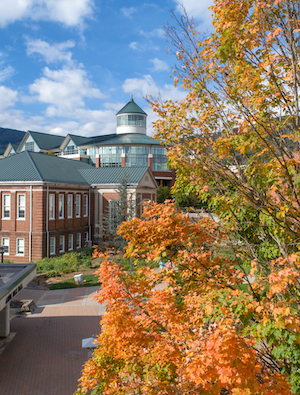
Sculpture in front of Varsity GymAppalachian State University's master's in Clinical Mental Health Counseling Program has been accredited by the Council for Accreditation of Counseling and Related Educational Programs (CACREP) since 1983 and is accredited in community counseling through 2013. Thus, the requirements for both practicum and internship in clinical mental health counseling meet the standards as set forth by CACREP.

Please note all forms on this page are property of ASU's Clinical Mental Health Counseling Program. Please do not reproduce these forms without proper consent and credit to the program.

Beginning in the Spring 2012 semester, there will be an additional form for students applying for practicum and internship, courses 5900 and 6900. This is a contract through the graduate school. The ASU Practicum/Internship Contract can be found on this page, our Resources page, and the Office of the Registrar Website, http://www.registrar.appstate.edu/eforms. Students planning to register for Practicum or Internship are required to complete this form and turn it into the Registrar's Office BEFORE early registration for the spring semester, November 7, 2011. If the form is not signed and submitted before this date, students will be blocked from registering for these courses.

Practicum Requirements: Practicum in Clinical Mental Health Counseling (HPC 5900)

Students must complete supervised practicum experiences that total a minimum of 100 clock hours (average of 8 hours per week over one 15 week semester). This practicum provides for the development of counseling skills under supervision. The student's practicum includes all of the following:

  1. A minimum of 40 hours of direct service with clients, including experience in individual and group work. Direct service includes individual, group, family, or marital/relationship counseling, intakes, and consultation. The remaining 60 hours should involve opportunities for the practicum student to become familiar with a variety of professional activities in addition to direct services (e.g., record keeping, referral services, inservice, meetings, conferences, professional development, etc.);
  2. Weekly interaction with an average of one (1) hour per week of individual and/or triadic supervision which occurs regularly over a minimum of one academic term by an approved on-site practicum supervisor;
  3. Weekly interaction with an average of one (1) hour per week of group of individual and/or triadic supervision which occurs regularly over a minimum of one academic term by a university program faculty member or a supervisor working under the supervision of a university program faculty member;
  4. An average of one and one half (1 ½) hours per week of group supervision that is provided on a regular schedule over the course of the student's practicum by a university program faculty member or a supervisor under the supervision of a university program faculty member, and;
  5. Evaluation of the student's performance throughout the practicum including a formal evaluation after the student completes the practicum.

Internship Requirements: Internship in Clinical Mental Health Counseling (HPC 6900)

The program requires students to complete a supervised internship of 600 clock hours (average of 40 hours per week over one 15 week semester or 20 hours per week over two 15 week semesters) that is begun after successful completion of the student's practicum. The internship provides an opportunity for the student to perform, under supervision, a variety of counseling activities that a professional counselor is expected to perform. The student's internship includes the following:

  1. 240 hours of direct service with clients appropriate to the program of study. Direct service includes individual, group, family, or marital/relationship counseling, intakes, and consultation. The remaining 360 hours should involve opportunities for the internship student to become familiar with a variety of professional activities in addition to direct services (e.g., record keeping, referral services, inservice, meetings, conferences, professional development, etc.);
  2. Weekly interaction with an average of one (1) hour per week of individual and/or triadic supervision which occurs regularly over a minimum of one academic term by an approved on-site internship supervisor;
  3. An average of one and one half (1 ½) hours per week of group supervision provided on a regular schedule throughout the internship, usually performed by a university program faculty member;
  4. Evaluation of the student's performance throughout the internship including a formal evaluation after the student completes the internship.

Requirements to be a Practicum or Internship Site Supervisor

A practicum or internship site supervisor must have:

  1. A minimum of a master's degree in counseling or related profession (e.g., marriage and family therapist, social worker, psychologist, psychiatrist) with equivalent qualifications, including appropriate certifications and/or licenses;
  2. A minimum of two (2) years of pertinent professional experience in the program area in which the student is completing clinical instruction; and
  3. Knowledge of the program's expectations, requirements, and evaluation procedures for students.

Practicum and Internship Forms

Site/Agency Placement Database

For your convenience, we have made a list available online of recent student practicum and internship site placements to give you an example of where you may be able to receive your clinical training. *Please contact your advisor to discuss prospective placements before contacting these agencies and sites.

You can also visit the HPC Office for the most updated information on practicum and internship placements, which includes important details about each site in the database. The site and agency database may not be removed from the HPC office, so students must view the information in person at this time.

Recent Student Placements for Practicum and Internship:

  • Appalachian State University Counseling & Psychological Services: Appalachian State University's Counseling Center offers short-term individual, group, and couples/family counseling to the campus community. The Counseling Center also coordinates wellness outreach, biofeedback services, alcohol and other drug services, the eating concerns team, mental health screenings, and crisis/emergency services.
  • Appalachian State University Peer Career Center: The Peer Career Center offers one-on-one paraprofessional counseling to students in academic major and career decision making. Interns are trained to interpret a variety of self-assessment inventories and assist students in conducting career research taking into consideration the student's life interests, values, and/or abilities.
  • Appalachian State University Student Wellness Center: The ASU Student Wellness center offers substance abuse counseling to students who have alcohol or substance violations. All of the clients are substance abuse clients and the counseling is brief counseling. The Center is a welcoming, non-judgemental environment where students can find caring, confidential help and support. Anyone can make an appointment for any reason concerning issues related to substance use, whether it is a self-referral or concerning a friend or family member. This site pays $10/hour.
  • Blue Mountain Center for the Healing Arts: The Blue Mountain Center for the Healing Arts, now in a new location off Blowing Rock Road, is a private practice, holistic counseling, and wellness center that offers individual, group, couples, and family counseling to clients of all ages. The staff of Blue Mountain Center offer traditional counseling, expressive arts therapy, play therapy, relaxation and stress reduction training, yoga, educational and outreach workshops, outdor experiences, and other creative approaches to healing. They network closely with massage and bodywork therapists and a chiropractor in adjacent offices.
  • Brevard College Counseling Services: Brevard College is a small, liberal arts college in Brevard, North Carolina. Counseling services are free to faculty, staff, and students. The Counseling Center offers individual counseling services, emergency crisis services, consultation, mediation services, adn community education programs. There also may be the opportunity to work with a career counselor and gain some experience with career counseling.
  • Families Together Inc.:Families Together Inc. is dedicated to providing quality services to exceptional children, families and adults. FTI will provide services that are culturally aware, strength based, competency based and in partnership with consumers and stakeholders. FTI will assist consumers in building natural supports within their community. FTI will honor and empower consumers and maintain the integrity of all persons served.
  • Hospice - High Country Healthcare System: Hospice is a specialized team approach to care for individuals with life-threatening illnesses and their families. Available services at High Country Healthcare System/Hospice include: nursing care, support from medical social workers, chaplain services, bereavement support, companionship, medications related to terminal illness, medical equipment, and Camp Sunshine, a day camp for children who have lost a loved one.
  • Hospice - Wilkes Regional Medical Center: HOSPICE is a special way of caring for terminally ill patients and their families. Hospice allows the patient to remain at home as long as possible while continuing to receive care. The staff concentrates on relieving pain and other symptoms that often accompany a terminal illness. Physical, emotional, social, and spiritual support are provided to the patient and family. Hospice tries to help patients have physical and emotional comfort so they can stay active as long as they are able and live life as fully as possible. The Hospice program also offers many free counseling services and support groups for all ages to help members of the Wilkes and surrounding counties deal with issues of grief and loss.
  • Lees-McRae College: Lees-McRae College is a private liberal arts college located in Banner Elk, NC, about 30 minutes from Boone. The college's counseling center offers consultations, individual counseling, short-term group counseling, mental health screenings, wellness education, and expressive arts outreach to the campus community.
  • McLeod Addictive Disease Center: The McLeod Center provides comprehensive addictive disease treatment services which treat the whole individual - physically, mentally, and spiritually. The McLeod Center services six regions in western North Carolina: Boone, Hickory, Marion, Gastonia, Statesville, Concord, Charlotte, and Monroe. Services offered vary by each location but may include: adult services, adolescent services, outpatient programs, methodone treatment, court referred treatment, residential services, and aftercare.
  • New River Behavioral Health: New River Behavioral HealthCare is a local intergovernmental agency whose mission is to provide high quality, affordable, cost-effective and person-centered behavioral health care services and supports so that people with disabilities can live successfully in their chosen communities. New River offers individual, couples, and family counseling to children, adolescents, and adults. Crisis services are also available.
  • North Carolina School of the Arts Student Counseling Center: The staff at the Counseling and Testing Services believes that student-artists are complex people who require the skills of compassionate counselors who are curious about the inner workings of student-arts and accepting of their creative expressions. Counseling Services strive to meet the needs of students by offering a holistic approach to counseling. They conduct traditional psychotherapy sessions, but also work on stress management, time management, relationship issues, and depression, among other things. Students seek counseling because they experience some type of discomfort or dissatisfaction in their personal lives.
  • Oasis, Inc.: Oasis is an organization dedicated to the reduction and cessation of domestic violence and sexual assault in our region. To reach it's mission, Oasis provides a confidential emergency shelter, short-term crisis counseling, community referrals, case management, support groups, medical and legal advocacy, and educational outreach programs to the greater community.
  • Wake Forest University Baptist Medical Center - Cancer Patient Support Program:The CPSP program was developed to help cancer patients and their families to improve the quality of life during diagnosis, treatment, and survivorship. They provide individual counseling support groups, hospital visitation, financial assistance, and appearance consultation.
  • Watauga Medical Center - Cancer Support Alliance: In conjunction with The Seby B. Jones Regional Cancer Center, the Cancer Support Alliance is a community membered alliance that offers supplemental services to local cancer patients through volunteer services, in-kind donations, fundraising, grant funding, and the support of Watauga Medical Center. Services and programming opportunities have included: massage therapy, expressive arts services, support groups, wellness and fitness programs, nutritional counseling, outreach services, and education programs.